 and then Add to Home Screen.
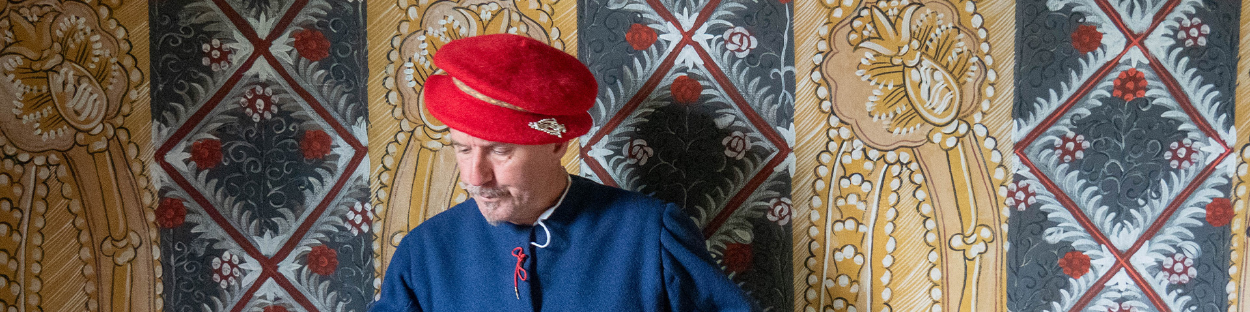
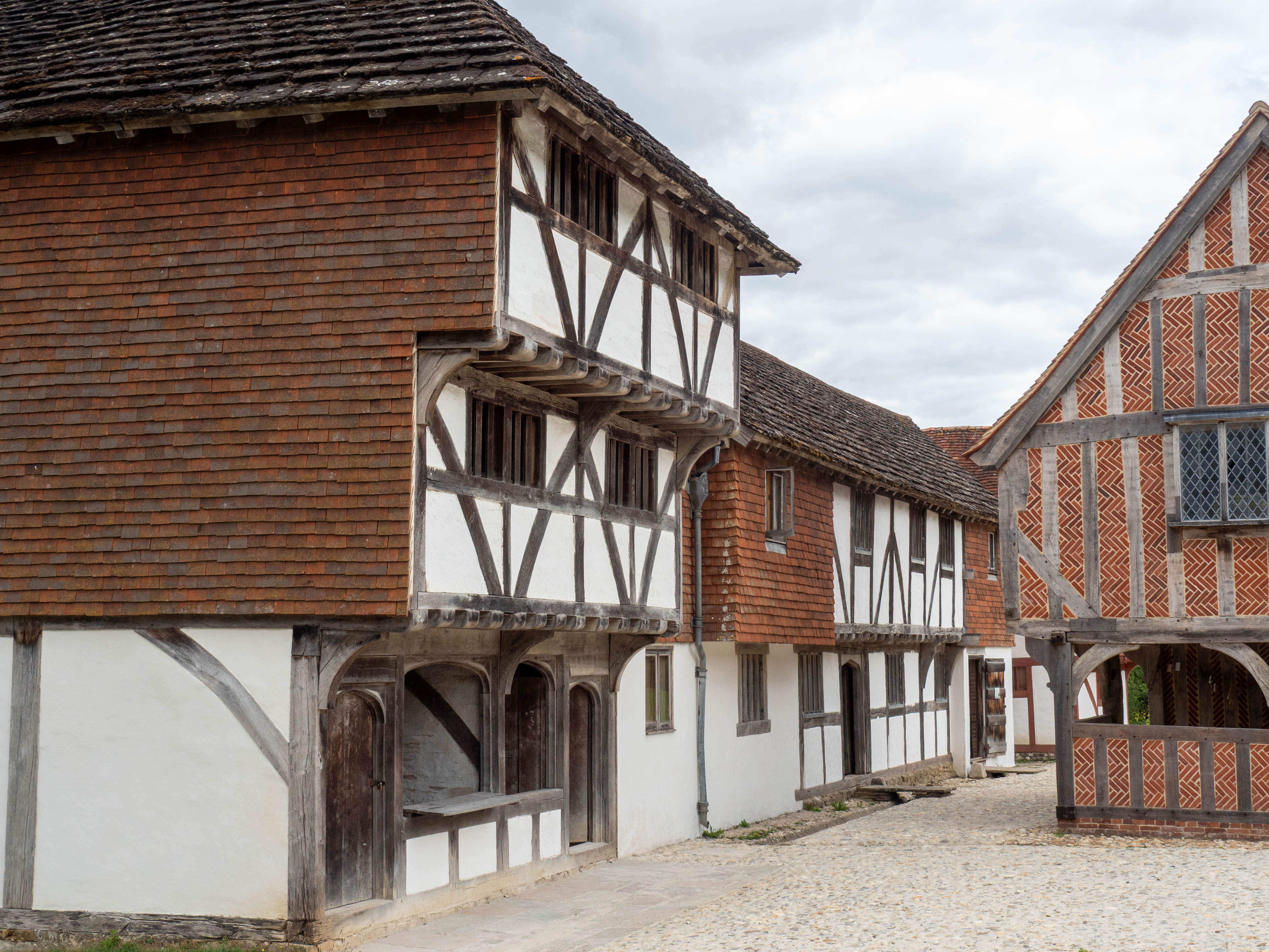
On Saturday 2 August 2025 a group of 29 Liverymen and partners joined the Master and Consort for the annual Charter Day visit which commemorates the presentation of a Royal Charter by Queen Elizabeth 1 to the Worshipful Company of Tylers and Bricklayers. This year the visit was to the Weald and Downland Museum in Singleton, West Sussex, an organisation long supported by the Company’s Craft Trust.
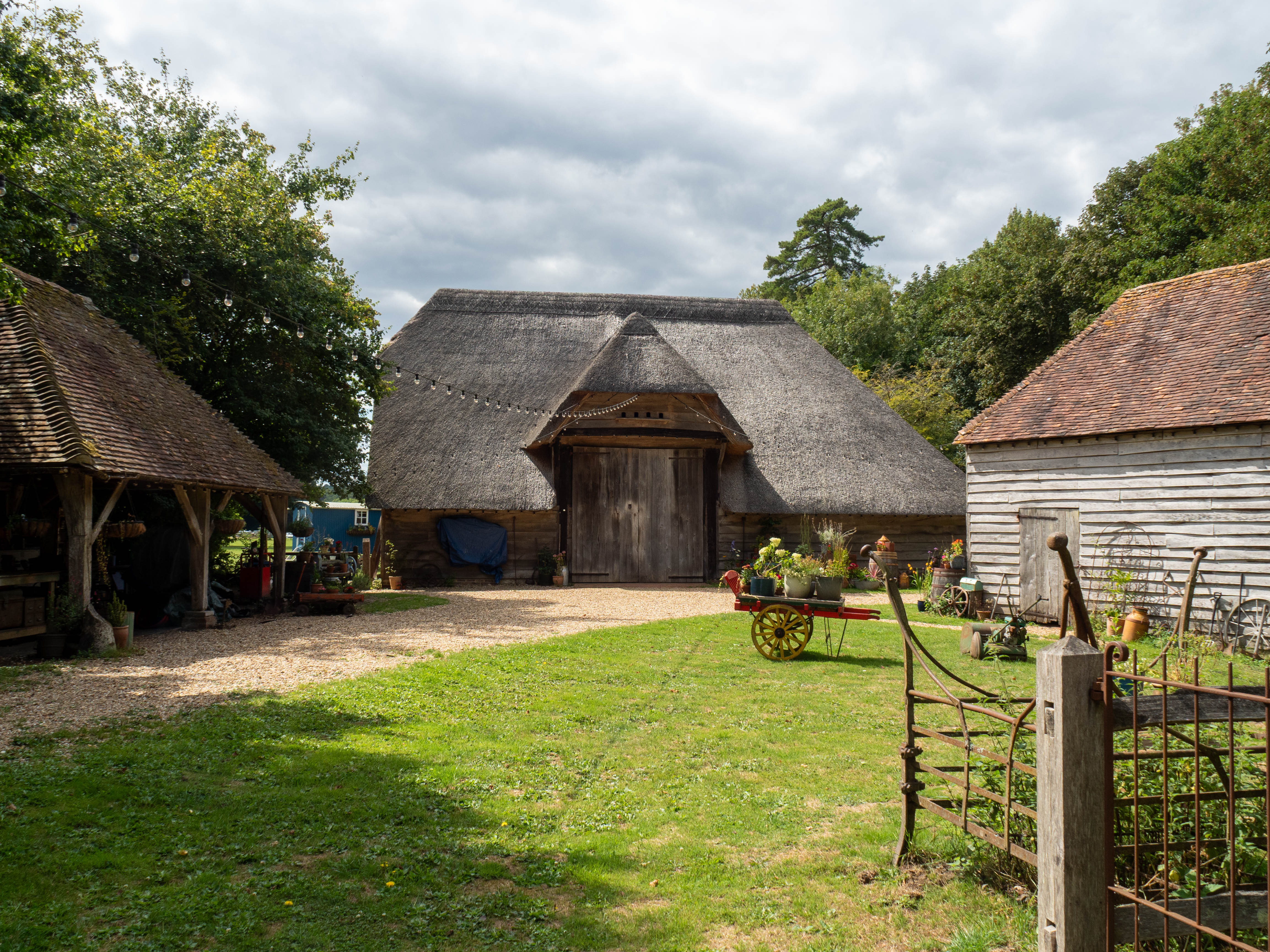
The Museum dates back to October 1965, as this is when the suggestion of such a place was discussed at a conference of the Study Group of Timber-framed Buildings of the Weald. So many historic buildings, even those listed for protection, were being condemned to make way for new developments.
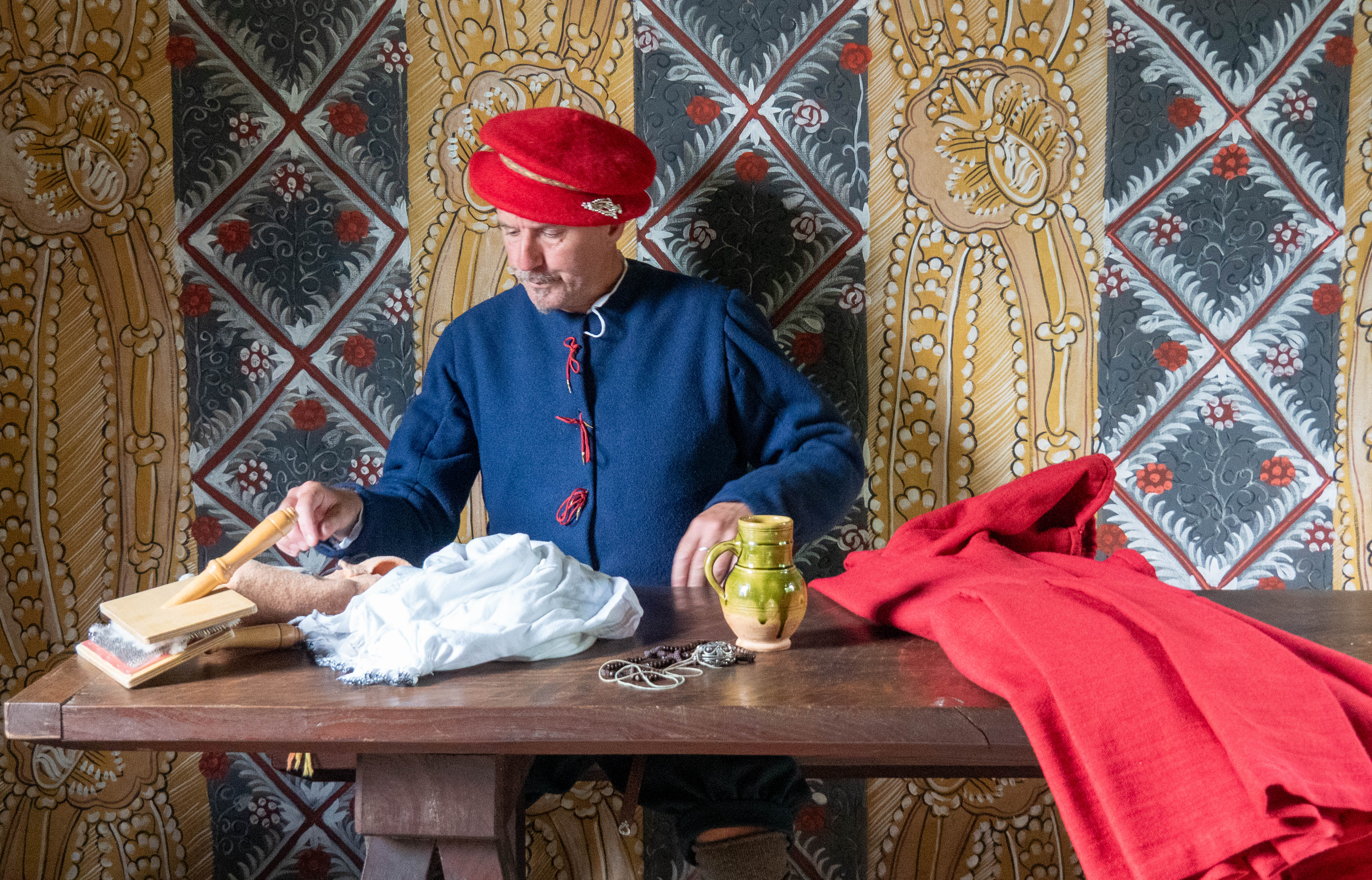
The Museum founder, Roy Armstrong, suggested creating an “Open air Museum of the Weald”. Within a year, in September 1966, Roy was convening the first meeting of the Committee for the Promotion of an Open-air Museum for the Weald and Downland. There were several sites discussed for the location of the Museum, by December 1968 outline planning permission was granted for a site in Singleton, West Sussex.
On Saturday, 5 September 1970 the Museum opened its gates to the public for the very first time. When there were seven exhibits for people to see, including Winkhurst from Kent; the granary from Littlehampton, West Sussex; the treadwheel house from Catherington, Hampshire; the Toll House from Upper Beeding, West Sussex; the charcoal burners’ camp, the saw pit and the Saxon weavers’ hut.
Since that time the Museum has grown substantially so that it now houses over 50 relocated historic buildings and six historic gardens in the 40-acre site together with the Downland Gridshell Building, more of which later.
On arrival the group dispersed to visit the many buildings and to see some of the demonstrations taking place, which included book binding, dyeing and a blacksmith. Members who had seen The Repair Shop on the television were keen to find the buildings where this programme is recorded. Sadly, filming was not taking place, but we could see the buildings used.
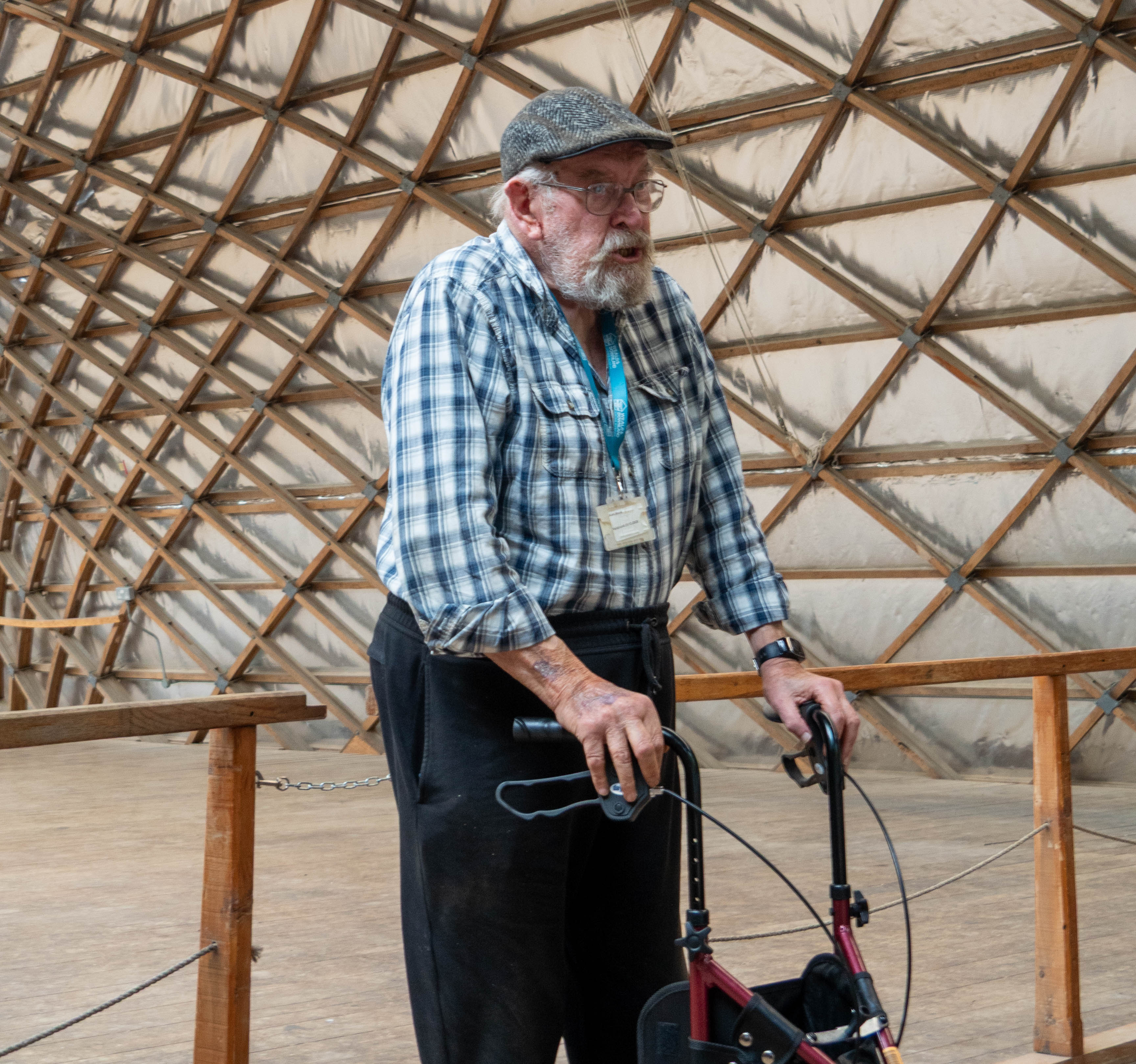
The group gathered in the Gridshell Building for a talk by Alan Wood, a long-standing Museum volunteer on the design and build of this curvaceous building. Alan explained about the need for a location where restoration of materials could take place along with craft courses for adults and children. The children in the building that day were making “green men” and on other occasions adults could make a coracle. The building also hosts conservation and CPD courses.
Built in 2002 with funds from heritage lottery fund and donors, the Gridshell building is made up of a lattice of pieces of oak. One piece oak measures 36 metre long and stretches half the length of the building with 600 individual pieces making up the rest of the structure. The grid was covered and insulated before being officially opened in 2002.
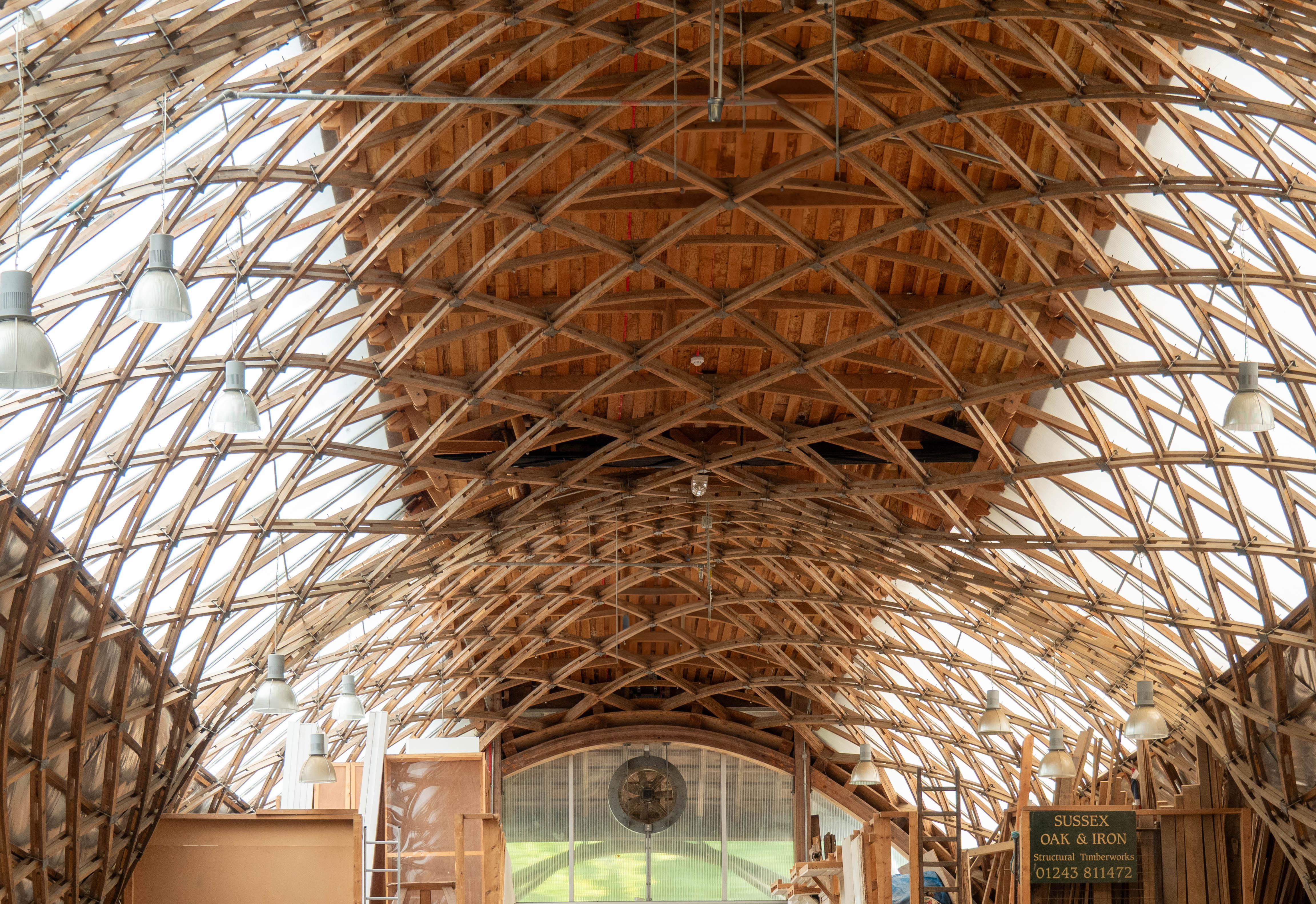
The flooring is mostly ash with some oak every piece being installed by hand. The building has life of thirty years which meant that the Museum was already seeking funding to keep the building alive in the future.
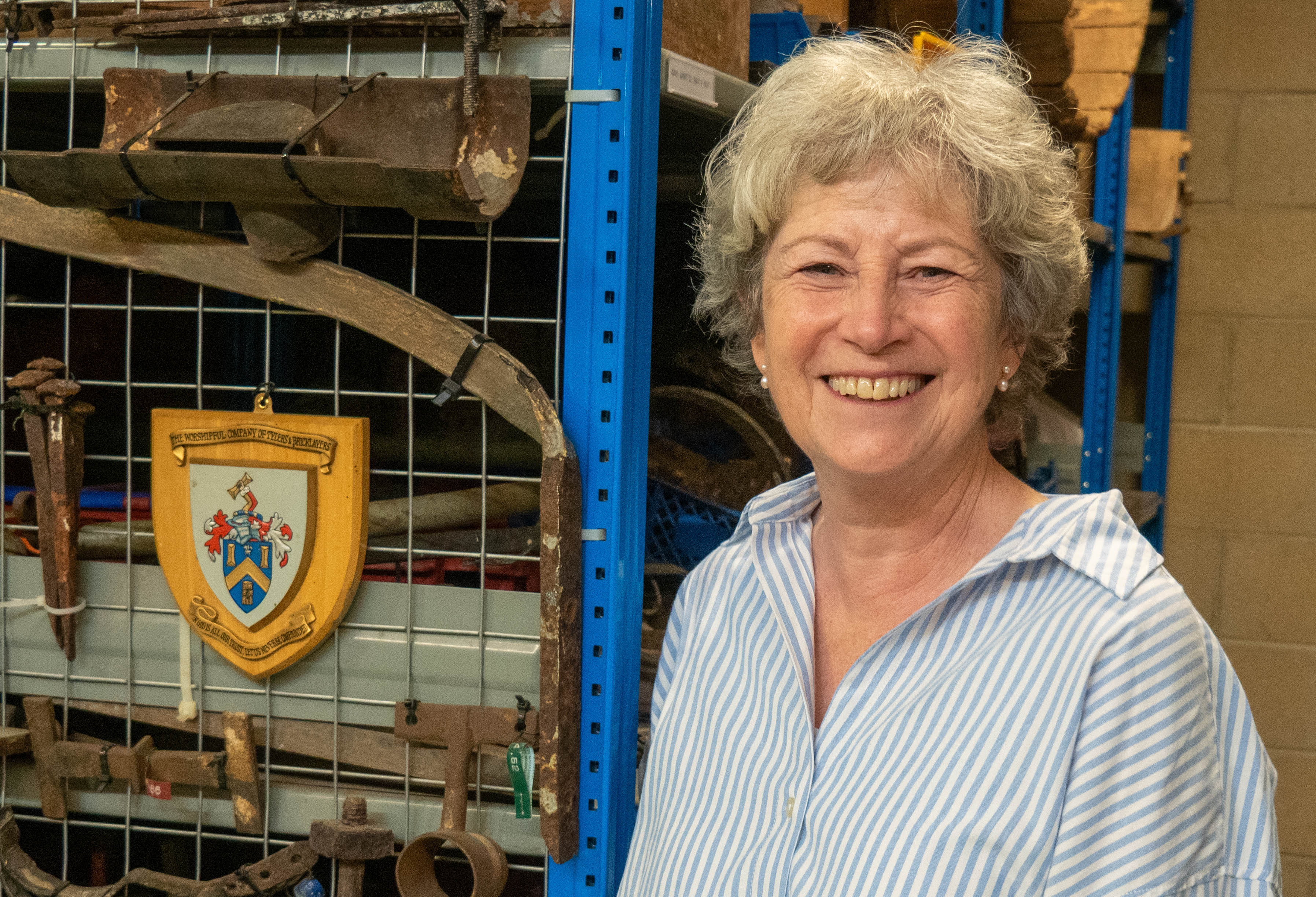
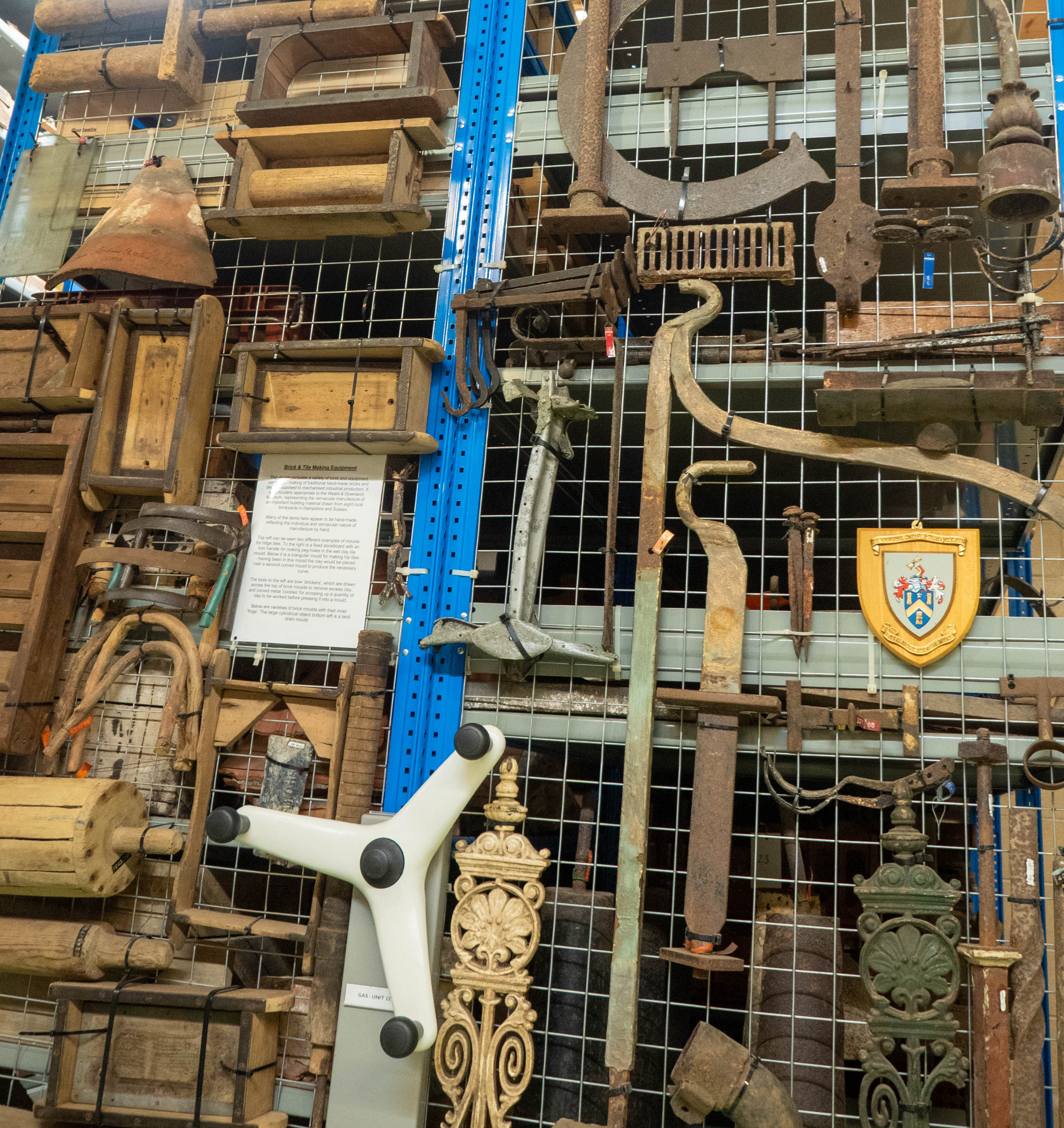
After the talk, the Ts and Bs visited the artefact store under the building, where much to our delight a T&B coat of arms was displayed along with some bricklaying artefacts.
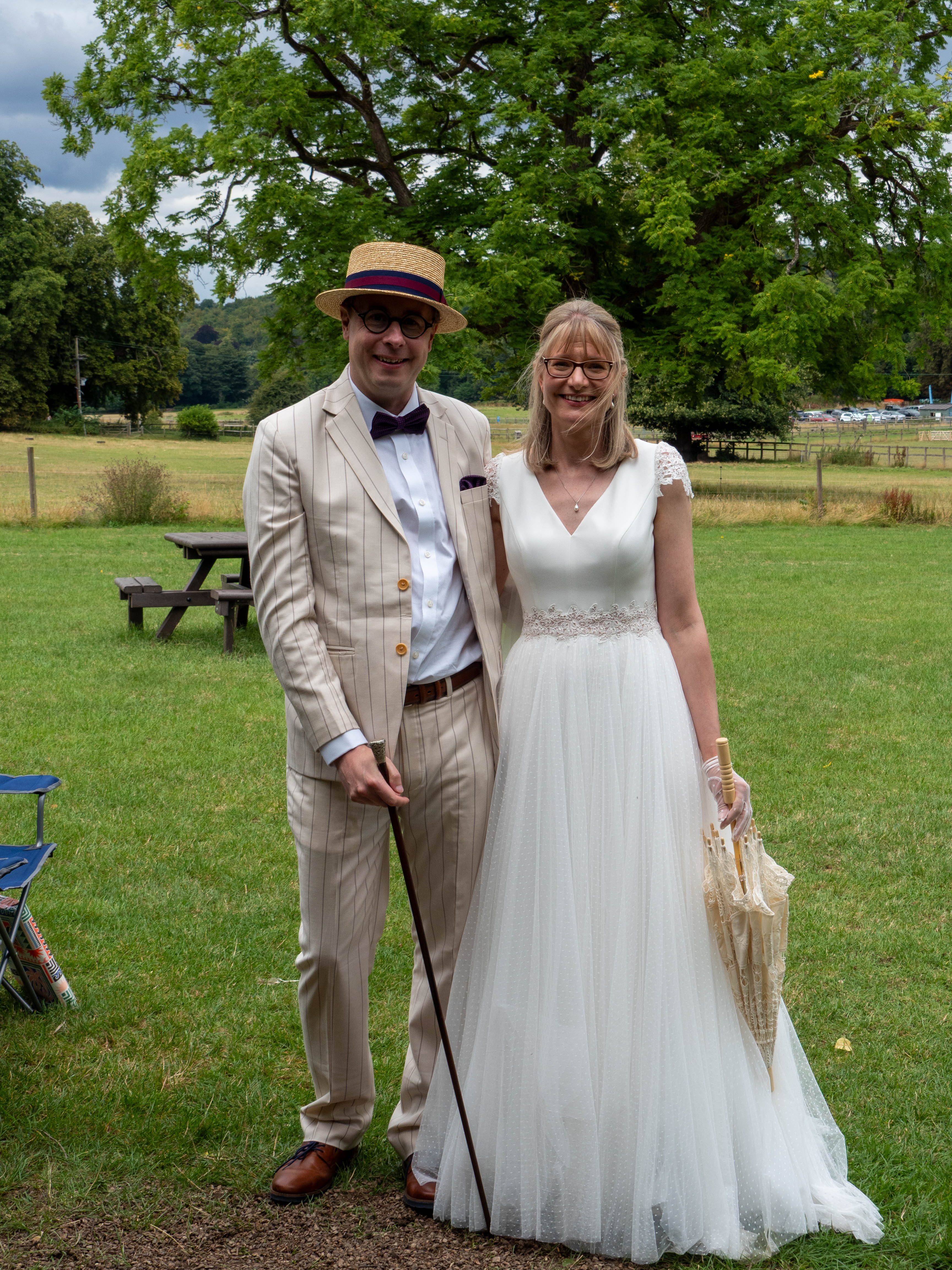
After lunch there was an opportunity to visit more buildings at the Museum and to meet the bride and groom who were celebrating their wedding at the Museum.
Lesley Day - Past Master